Aquaculture
What It Is:
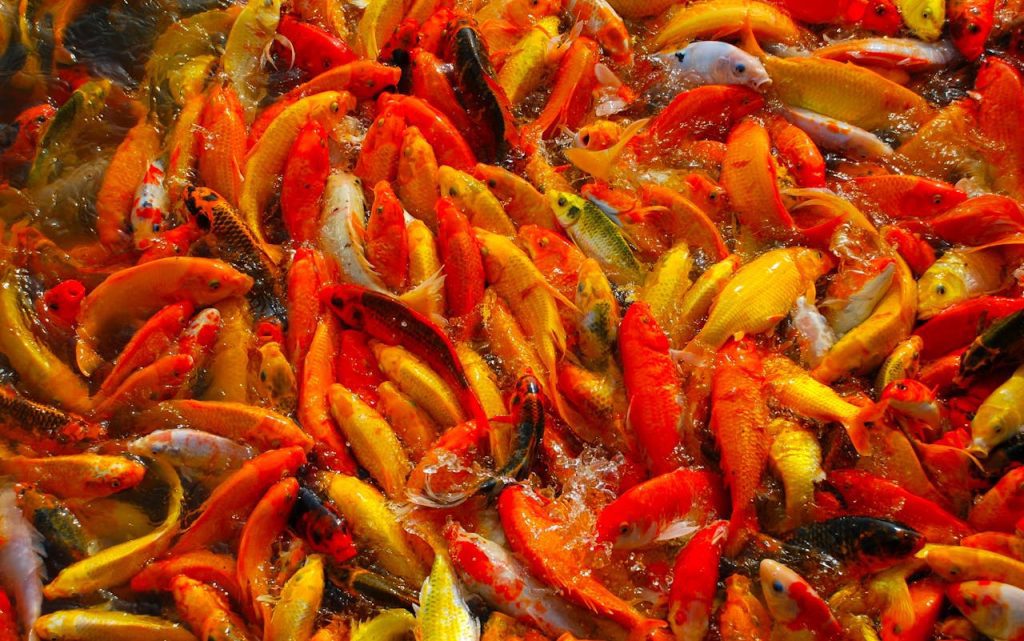
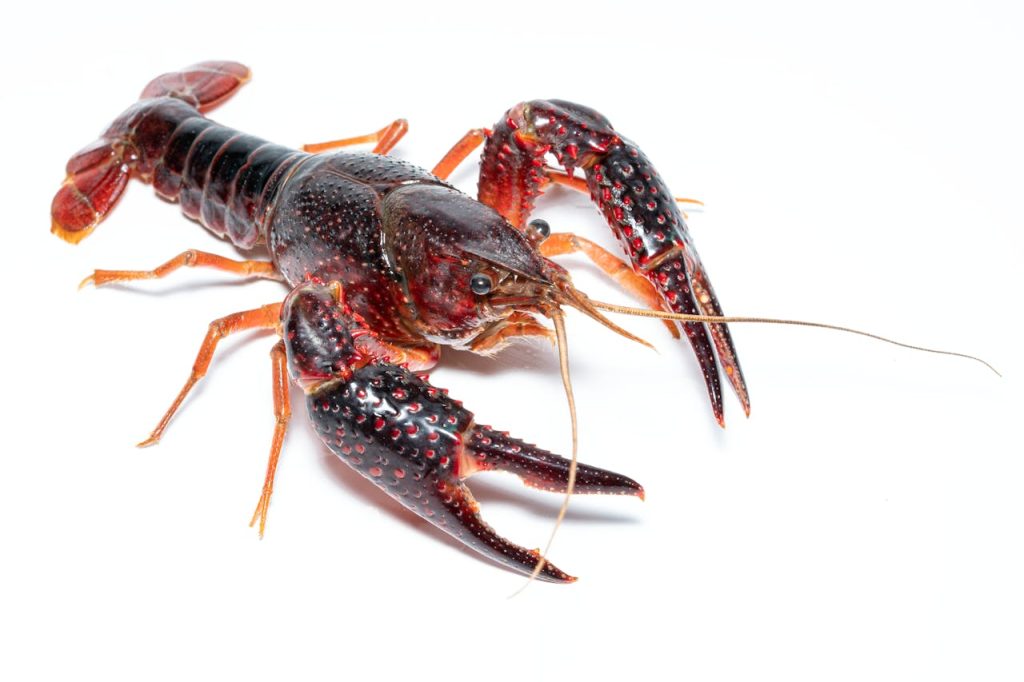
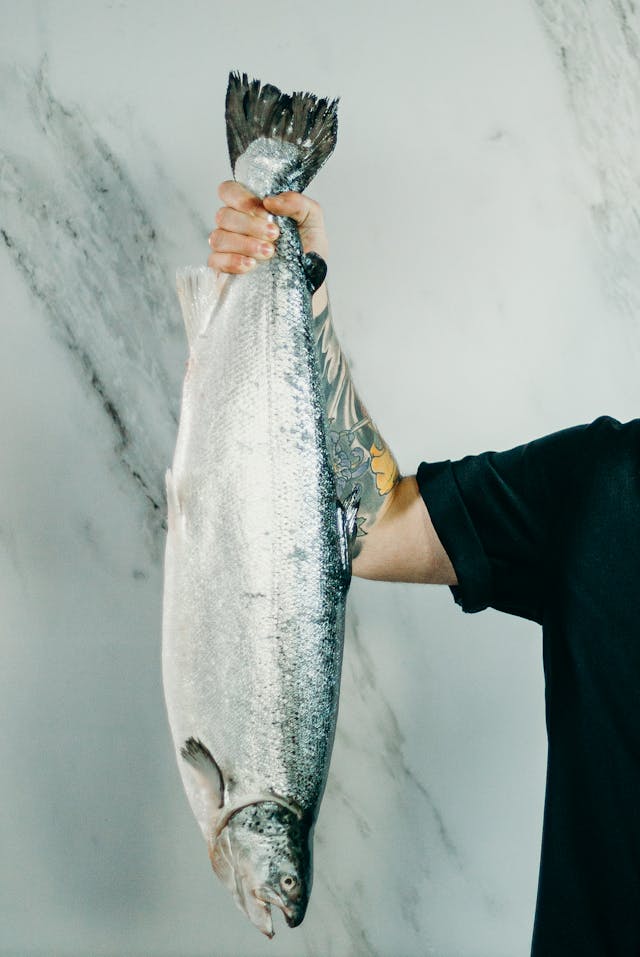
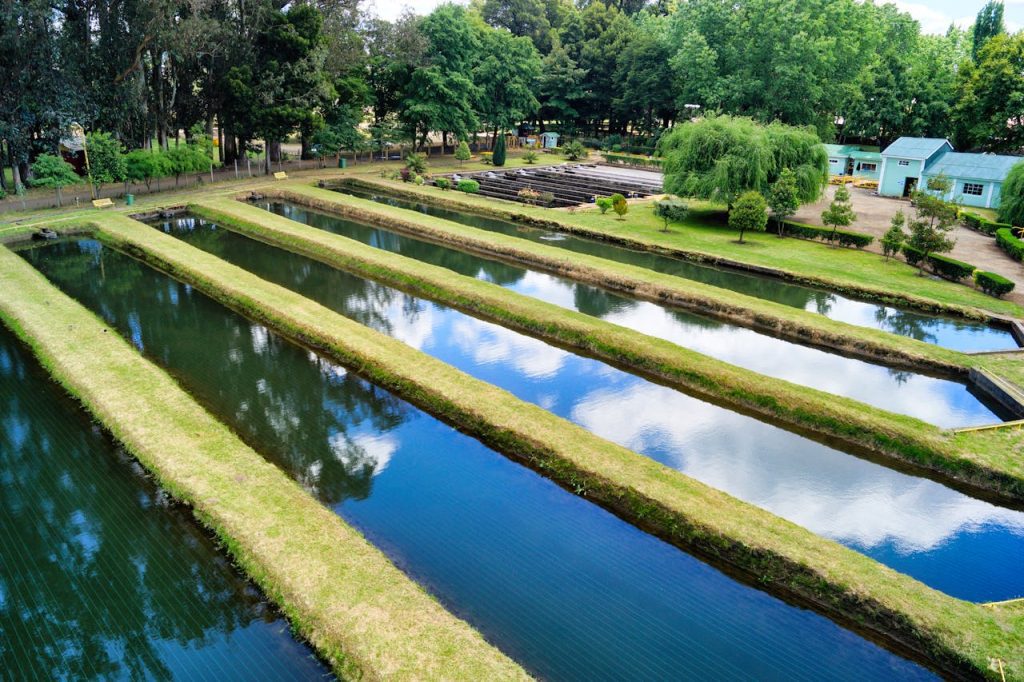
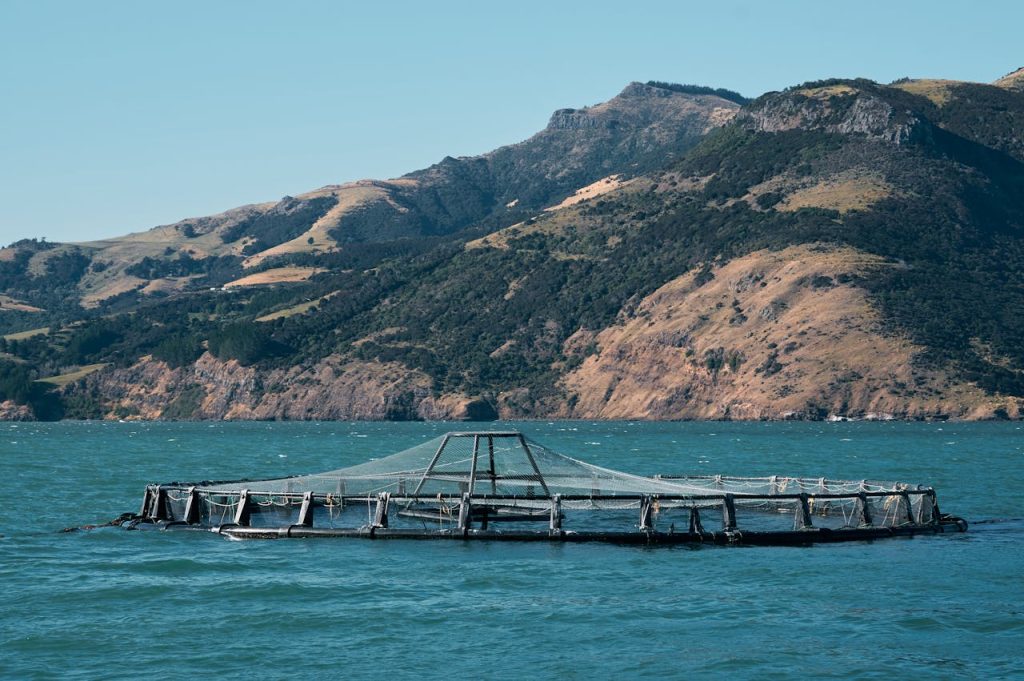
Aquaculture is the controlled cultivation of fresh and saltwater animals or plants (fish, shellfish, crustaceans and algae). It is a sector that can help to relieve the burden on wild fish stock, meet the increasing demand for fish and help to grow a nation’s domestic economy. Aquaculture is today the fastest growing global food sector, and with the escalating consumption of sea food by Africa’s booming population, aquaculture would remain a very important sector of the continent’s fish and seafood requirements.
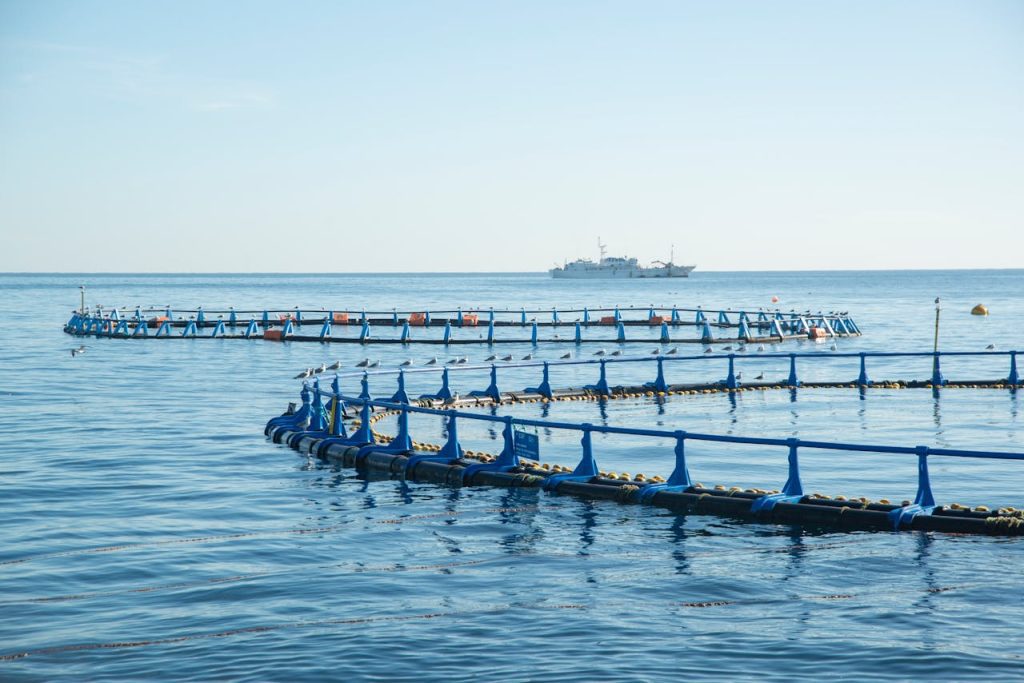
Why Aquaculture?
Fishing is perhaps the main vocation and the original reason for the earliest settlements and community developments in the coastal areas.
Unfortunately, a combination of factors such as over fishing by large fishing companies and activities related to oil extraction industry has caused increased pressures on the availability and sustainability of wild fish resource in and around the coastal and EEZ areas of many countries. This makes farmed fish cultivation to be an imperative in order to meet the food requirement of countries. Hence, developing long-term, sustainable fisheries and aquaculture strategy is of great benefits to the economy. Commercial scale aquaculture in the coastal belts could create tens of thousands of direct and indirect jobs, generate substantial in sales revenue, and save national treasuries billions expended annually in foreign exchange for importation of fish and fishery products.
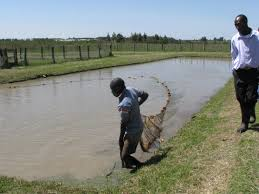
The Aquaculture Imperative:
Although aquaculture is still a relatively small part of national economies of many African countries, It is a sector that has the potential to boost growth and create jobs in th coastal as well as the inland areas of a country. The development of processing industries related to sea food and algae (sea weed) production can further improve job creation, the growth of SME’s, industrial development and impact on the progress of other sectors such as pharmaceuticals and biotechnology.
This is why, aquaculture, if developed in ways that are environmentally, socially and economically sustainable, could, besides contributing to filling the gap between national fish and seafood consumption and production, it can also play important roles in the overall national goals of economic diversification, job creation and industrial development. Hence, aquaculture must be seriously prioritized among the key areas of the blue economy development strategy, as it’s development has the potentials to contribute considerably to the economic diversification, growth and prosperity ambitions of nations.